
Choosing a Denver refrigerated trucking company takes more than finding a carrier with a refrigerated trailer. Temperature-sensitive freight also depends on proper temperature settings, pickup and delivery appointments, route planning, and coordination when shipping schedules change.
Acme Distribution is an asset-based top third-party logistics provider in Denver, Colorado with 80 years of experience. Acme offers refrigerated LTL trucking in Denver and refrigerated truckload transportation, helping shippers evaluate temperature-controlled freight options based on their products, shipment size, route, and delivery requirements.
Whether you’re shipping perishable goods, coordinating grocery deliveries, or moving temperature-sensitive products between facilities, confirm your carrier’s equipment, handling procedures, and service availability before dispatch.
What should a top Denver trucking company confirm before pickup?
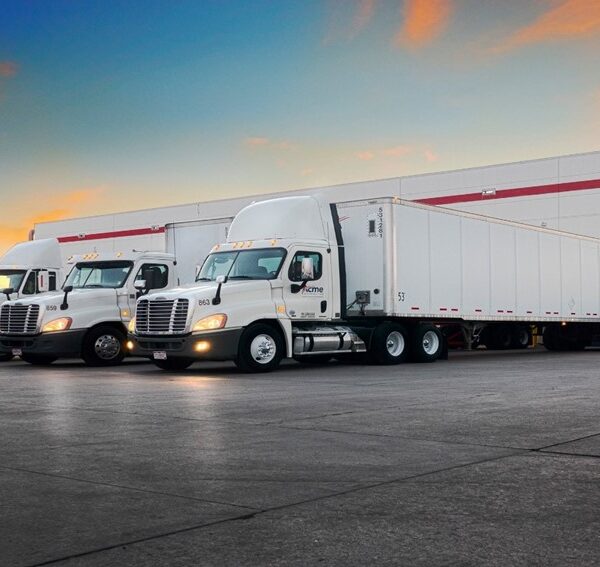
A refrigerated trailer, also called a reefer, is designed primarily to maintain the specified temperature under appropriate operating conditions.
A refrigerated trucking company should confirm the required temperature setpoint, acceptable temperature range, product condition, packaging, shipment dimensions, and delivery appointments before collecting the freight.
These details help determine which equipment and transportation plan are appropriate for the shipment.
Before pickup, confirm the following:
Required temperature: Provide the commodity’s specified temperature setpoint and acceptable range.
Product condition: Identify the condition of the freight at pickup and any product-specific handling requirements.
Refrigerated trailer preparation: Confirm that the trailer has reached the agreed temperature before loading.
Pickup and delivery appointments: Share the actual appointment windows and any receiving restrictions.
Transit and handling requirements: Explain any limits on transit time, door-open exposure, transfers, or intermediate stops.
When Should You Choose Refrigerated LTL vs. Full Truckload?
Refrigerated LTL is often appropriate for smaller shipments that do not require an entire trailer, while refrigerated full truckload (FTL) can be a better fit for larger shipments or freight with specific timing and handling requirements.
The best option depends on shipment volume, delivery deadlines, product sensitivity, and the transportation route.
Refrigerated LTL Trucking in Denver
Refrigerated less-than-truckload (LTL) shipping allows eligible shipments to share trailer space with other compatible freight. This can help shippers avoid paying for an entire refrigerated trailer when they only need part of its capacity.
However, LTL transportation may involve additional stops, transfers, and handling. These factors should be considered when setting delivery windows for temperature-sensitive products.
Refrigerated LTL may be suitable when:
The shipment does not fill a trailer.
The commodity is compatible with the planned consolidation and handling process.
The delivery schedule accommodates the route.
The freight can tolerate the expected transit time and handling conditions.
Refrigerated Full Truckload Transportation
Refrigerated FTL uses a full trailer for a shipment and may reduce the need for transfers or additional freight handling. It can be a suitable option when shipment volume, delivery timing, or product requirements favor a dedicated load.
Consider refrigerated truckload shipping when:
The shipment requires substantial trailer capacity.
The delivery schedule calls for a more direct transportation plan.
Reducing transfers or handling is a priority.
The freight has specific loading, unloading, or temperature-control requirements.
A full truckload does not automatically guarantee faster delivery or better temperature control. Equipment, scheduling, route planning, and operating procedures still matter.
Acme offers refrigerated LTL trucking in Denver and lists refrigerated transportation among its broader Denver trucking services. Contact the team to determine which service is available and appropriate for your commodity and shipping lane.
Refrigerated Full Truckload
- The shipment requires substantial trailer capacity.
- The delivery schedule calls for a more direct transportation plan.
- Reducing transfers or handling is a priority.
- The freight has specific loading, unloading, or temperature-control requirements.
Refrigerated LTL Truckload
- The shipment does not fill a trailer.
- The commodity is compatible with the planned consolidation and handling process.
- The delivery schedule accommodates the route.
- The freight can tolerate the expected transit time and handling conditions.
Why Do Dock Appointments and Freight Transfers Matter in Refrigerated Transportation?
Dock appointments and transfers can affect the time temperature-sensitive freight spends waiting, being handled, or moving between trailers.
A refrigerated truck may maintain its operating temperature on the road, but a late arrival or unavailable receiving dock can disrupt the delivery plan. Delays may also affect subsequent pickups, delivery appointments, and equipment availability.
For that reason, shippers should provide the actual pickup and delivery appointment windows, rather than relying on destination ZIP codes alone.
For grocery deliveries and other appointment-driven shipments, confirm receiving requirements and scheduling priorities with the transportation provider in advance.
Why Does Flexibility Matter When a Refrigerated Shipment Is Disrupted?
A shipper once called Acme after a receiver rejected a perishable shipment because of leaking product and compromised packaging. Acme had not hauled the original load, however the team rearranged active freight to make room, cleaned and rewrapped the affected goods, and delivered the recovered shipment.
That was an unusual recovery, not a promise that every damaged load can be saved. Product condition and receiver requirements decide what is possible. But it shows why a carrier’s response matters as much as the equipment list.
As Acme likes to say, “We’re in the flexibility business.” In refrigerated transportation, that can mean dispatch, drivers, and warehouse staff working through a late appointment or a disrupted handoff before the freight sits without a clear next step.
What Information Do You Need to Request Refrigerated Trucking in Denver?
To request refrigerated LTL or truckload service, provide the transportation team with the commodity, temperature requirements, shipment dimensions, locations, and delivery schedule.
Use this checklist to prepare your shipment details:
- Commodity and packaging: Identify the product and how it is packaged.
- Temperature requirements: Specify the setpoint, acceptable range, and any monitoring requirements.
- Shipment size: Provide pallet count, dimensions, and total weight.
- Pickup details: Include the origin ZIP code, requested date, and appointment window.
- Delivery details: Include the destination ZIP code, requested date, and receiving appointment.
- Transportation type: Indicate whether you need refrigerated LTL or full truckload service.
- Handling instructions: Identify special loading, unloading, receiving, or product-handling requirements.
- Monitoring and documentation: State whether spot checks, continuous temperature monitoring, or temperature records are required.
- Transfers or temporary storage: Disclose any cross-docking or intermediate holding requirements.
Providing these details early helps Acme evaluate the appropriate transportation option, route, equipment, and schedule.
Request Refrigerated Trucking Service in Denver
Need temperature-controlled transportation for your next shipment?
Contact Acme Distribution to discuss refrigerated LTL and truckload options in Denver.
Provide your commodity, temperature requirements, shipment size, route, and requested delivery schedule so the team can evaluate the appropriate service for your freight.
Frequently Asked Questions About Denver Refrigerated Trucking
Does Acme offer refrigerated LTL in Denver?
Yes. Acme provides asset-based refrigerated LTL service in Denver, along with refrigerated truckload options. Availability depends on the commodity, shipping lane, pickup date, temperature requirements, and delivery schedule. Contact Acme to discuss your shipment.
What temperature can a refrigerated truck maintain?
The appropriate temperature depends on the commodity, its shipping specifications, and the required setpoint. Acme’s service description identifies chilled freight service around 34°F and above, but this is not a universal setting. Confirm the required temperature range before booking.
Should I choose refrigerated LTL or refrigerated FTL?
Choose refrigerated LTL when the shipment can be consolidated with compatible freight and the transit schedule accommodates additional stops or handling. Consider refrigerated FTL when shipment volume, delivery timing, or handling requirements favor a full trailer. The right option depends on the product and route.
What products can be shipped using refrigerated trucking?
Refrigerated trucking is used for temperature-sensitive freight, including eligible food products and other commodities requiring controlled transportation conditions. Acceptance depends on the product, packaging, temperature specification, equipment, and carrier requirements. Confirm eligibility with Acme before shipping.
How can I help protect temperature-sensitive freight during transit?
Provide accurate temperature instructions, ensure the product is prepared for shipment at the required temperature, use suitable packaging, and communicate all pickup, delivery, and handling requirements. Confirm the carrier’s procedures for transfers, delays, and any required temperature monitoring.
How do I request a refrigerated trucking quote in Denver?
Prepare the commodity description, temperature requirements, pallet count, shipment weight and dimensions, pickup and delivery ZIP codes, requested dates, and appointment windows. Contact Acme to confirm service availability and request pricing for refrigerated LTL or truckload transportation.