If you run a warehouse, brokerage, or 3PL operation, most policy changes don’t show up as headlines in your day-to-day work. They show up later as added costs, new compliance requirements, or operational constraints you didn’t see coming.
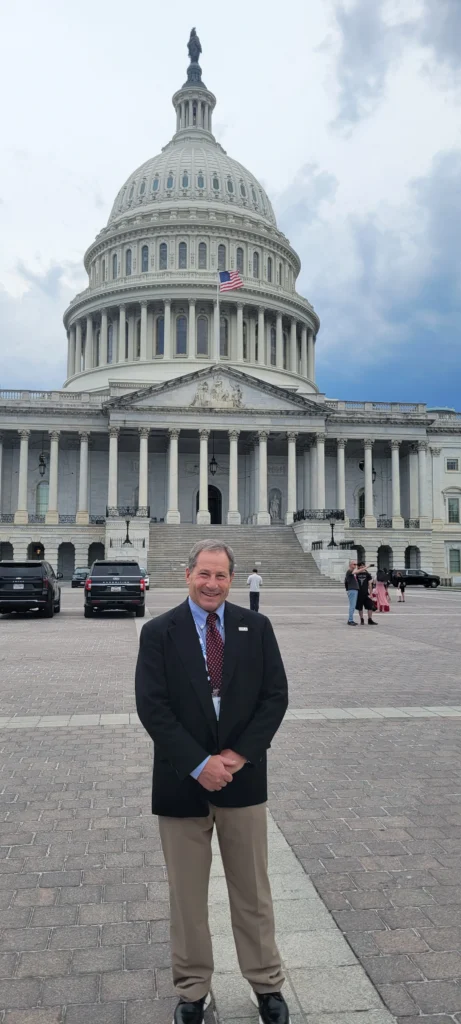
That’s why this year’s IWLA Legislative Fly-In brought logistics leaders to Washington for two and a half days of meetings with congressional offices, senators, federal agencies, and regulatory stakeholders. As Doug Sampson, Chairman of IWLA and Acme Distribution partner, put it, “It’s better to be at the table than be on the menu.” That phrase captures why the fly-in matters, the importance of being present while decisions are still being shaped, not reacting to them after they are finalized.
As a longtime IWLA member, Acme Distribution participates in these conversations to stay informed on emerging policy issues and help ensure the perspectives of warehouse operators and 3PL providers are represented. The issues being debated in Washington affect labor, safety, liability, transportation, and operating costs long before most warehouse operators feel the impact directly. That is why IWLA continues to bring members into those conversations, so the industry is represented before rules are finalized and before the consequences land on the businesses that have to live with them.
How Logistics Leaders Engage Washington Directly
IWLA has been holding this Washington D.C. legislative fly-in for roughly 20 years. The format gives IWLA members direct exposure to the people shaping policy across transportation, labor, and commerce. The first day focused on briefings from policy and regulatory voices, including the Surface Transportation Board, the Department of Commerce, and other stakeholders with direct influence over freight, rail, maritime, and labor issues.
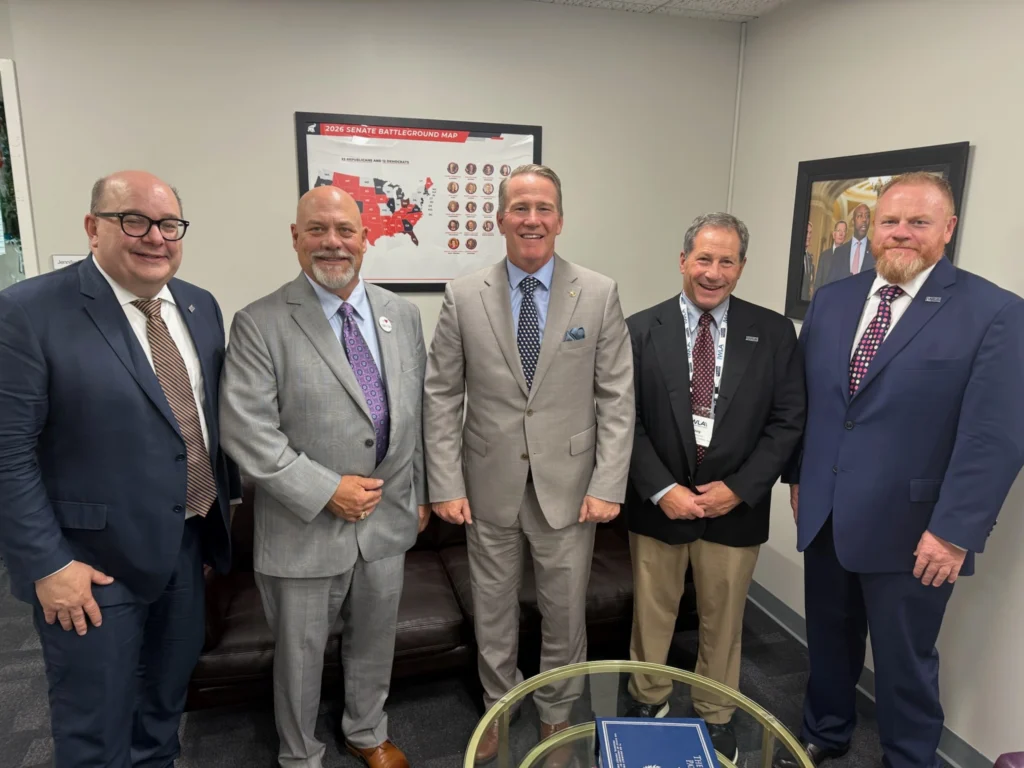
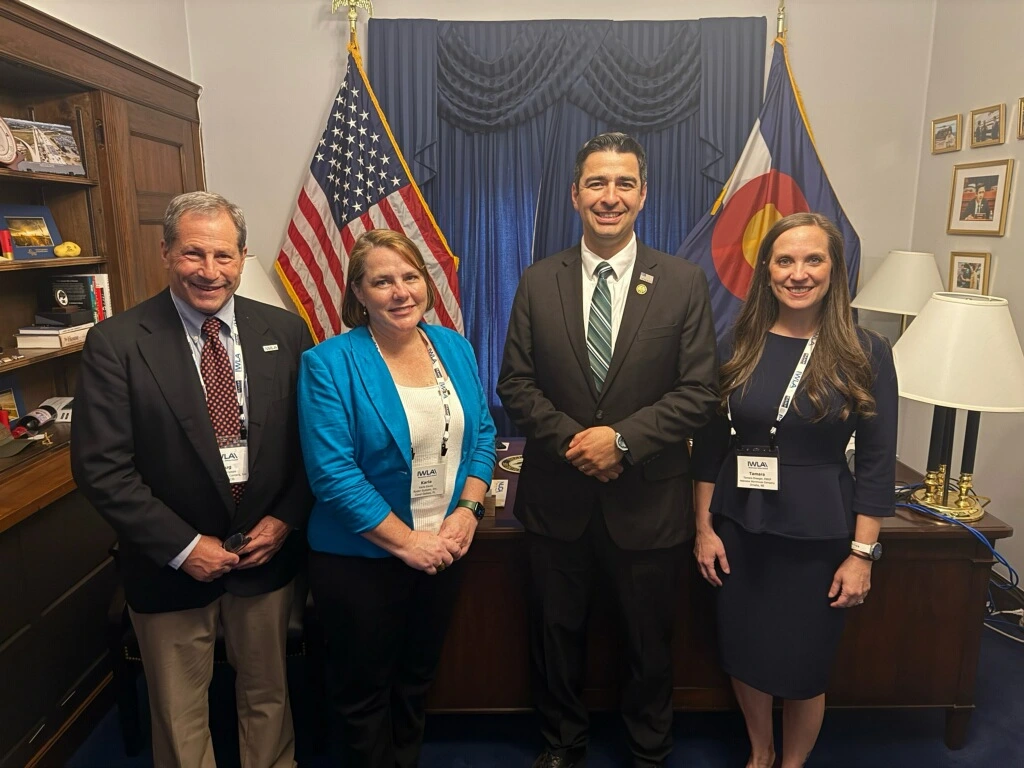
The next phase was direct engagement. The group met with more than 25 congressional leaders and 6 senators, along with agency officials including leaders at OSHA. For an industry association of this size, that access matters. It creates a chance to explain how warehousing and 3PL operations actually work and how certain decisions could affect them.
Why Supply Chain Representation in Washington Matters
One of the clearest themes from the trip was how little visibility there is in Washington into what logistics companies actually do. IWLA leaders repeatedly find themselves explaining that these businesses exist at all and how critical they are to the movement of goods. Sampson said, “Most policymakers don’t understand where we fit into the supply chain puzzle.” He went on to explain that many policymakers assume products move straight from manufacturer to retailer, with little understanding of the warehousing, inventory management, and transportation coordination required in between.
That lack of understanding has real consequences. When an industry is misperceived, it gets regulated as something it isn’t. Warehouses get treated as if they all operate like large-scale retail distribution centers, and 3PLs get lumped together without regard to the very different roles they play across the supply chain. As Sampson noted, “We have to tell them who we are and what makes us different.”
This education effort directly shapes policy outcomes. The way lawmakers understand the industry directly influences decisions around staffing requirements, safety regulations, liability standards, emissions rules, and infrastructure priorities.
“Nobody goes about trying to write a bad bill or proposed legislation. They’re trying to do the right thing and don’t see the unintended consequences.”
Doug Sampson, IWLA Chairman
Policy Issues Shaping Logistics Operations Today
Several policy issues stood out during this year’s meetings.
On labor and employment, IWLA raised concerns around the Faster Contracts Act, joint employer standards, the independent contractor rule, captive audience laws, and fair share healthcare proposals. Across these topics, the consistent concern was not that policymakers are acting in bad faith, it was that the operational consequences are often poorly understood.
Sampson put it this way: “Nobody goes about trying to write a bad bill or proposed legislation. They’re trying to do the right thing and don’t see the unintended consequences.” For IWLA, the job is to make those consequences visible before they become costly or disruptive to logistics companies.
On safety and regulatory enforcement, OSHA was a major focus. IWLA members discussed the warehouse emphasis program and the warehouse worker walk around rule, particularly concerns about the definition and credentials of any outside third parties who may accompany inspectors, with OSHA later providing clarification that the intent was more limited than initially understood and offering to provide a future training for IWLA members.
On transportation and state level regulation, Colorado’s indirect source rule came up as a strong example of how a policy can be framed around environmental goals but still create heavy business consequences if the design misses operational reality. Warehouse operators support cleaner air and better infrastructure. What we need is a policy approach that understands how freight actually moves and what those costs mean for the affordability of goods.
On broker liability and litigation, the CH Robinson-Montgomery-Caribe case and the wider issue of third party funding in large plaintiff cases remain major concerns. For members involved in brokering freight, due diligence and carrier vetting are more important than ever. At the same time, the broader concern is whether litigation trends are creating risk exposure that is disconnected from sound operating practice.
Why Supply Chain Representation in Washington Matters More Than Ever
The takeaway for members is that staying informed is part of running a responsible business. IWLA now offers a stronger structure for that involvement, including its Government Affairs Council, state legislative tracking tools, a warehouse advocacy fund, and a political action committee.
Key ways IWLA supports members include:
- Direct advocacy in Washington and at the state level
- Legislative tracking that helps members monitor issues before they escalate
- Member education on topics like OSHA, labor rules, and liability exposure
- Data gathering and industry research that improve the association’s credibility with lawmakers
Business outcomes of that work include:
- Better visibility into regulatory changes before they disrupt operations
- Stronger representation for warehouse operators in policy discussions
- More practical interpretation of how rules affect 3PL businesses
- Greater ability to connect local business impact to legislative decisions
How IWLA Members Stay Ahead of Supply Chain Policy Changes
IWLA is also investing in the data needed to strengthen its case. Through a new Penn State study, the association is gathering better information on employees, square footage, trucking units, automation, packaging activity, and local economic impact. That helps lawmakers see the size and relevance of the industry in their own districts. It also supports reverse fly-ins, where policymakers are invited to visit warehouse operations in person to better understand the logistics industry.
That may become even more important in the years ahead. Warehousing and third party logistics sit at the intersection of labor, trade, infrastructure, safety, and technology. More, not less, scrutiny is coming. The associations that matter will be the ones that help members understand change early, explain reality clearly, and speak with enough authority to shape better outcomes.
As an IWLA member, Acme is committed to staying engaged in the conversations shaping the future of warehousing, transportation, and supply chain operations. Through our involvement with IWLA, we gain direct insight into emerging regulatory and legislative developments, helping us better serve our customers, support our employees, and advocate for practical policies that strengthen the supply chain. If you’d like to learn more about how Acme approaches industry leadership and logistics excellence, contact our team today.